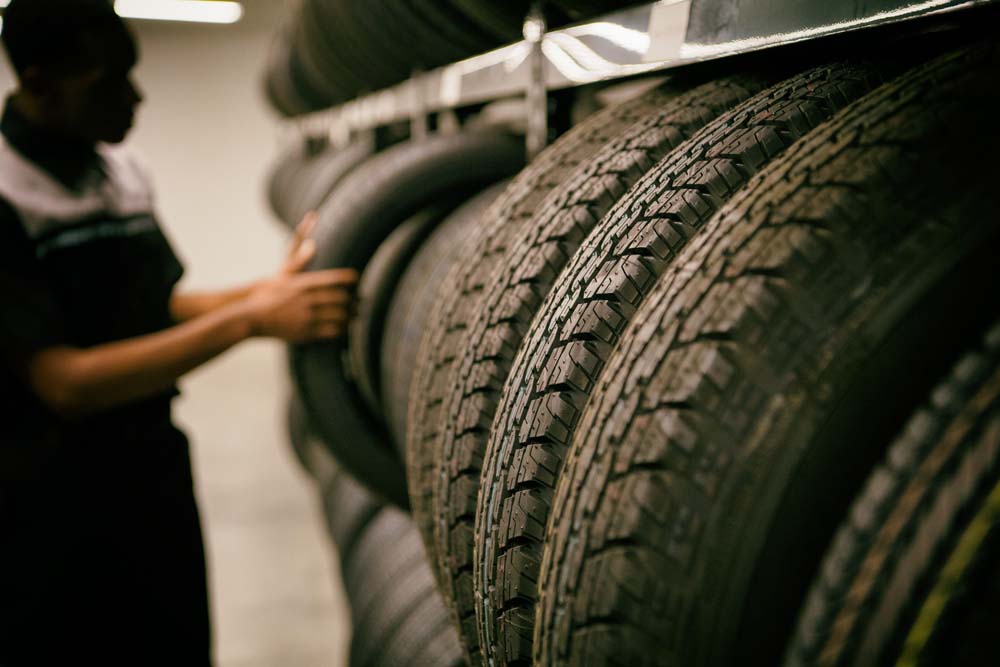
Knowing when to schedule a Lexus tire replacement helps maintain dependable traction, handling, and braking performance. Although tires are designed to withstand thousands of miles of driving, their lifespan depends on road conditions, maintenance habits, and tire construction. Lexus of Valencia explains how long tires typically last, what affects their longevity, and when replacement may be necessary.
Average Lexus Tire Lifespan
Many conventional passenger vehicle tires last approximately 40,000 to 60,000 miles, although actual longevity varies considerably. Performance-oriented tires, including those fitted to certain Lexus F SPORT models, may wear more quickly because of their specialized rubber compounds and handling characteristics. Tire quality, manufacturer specifications, and driving conditions also influence replacement intervals.
Rather than relying exclusively on mileage, drivers should regularly inspect tread depth and overall tire condition. Even tires with adequate tread may eventually require replacement because of age-related deterioration.
Driving Habits That Affect Tire Wear
Aggressive acceleration, hard braking, and taking corners at excessive speeds can accelerate tread wear. Frequent driving on rough pavement or roads with potholes may also contribute to tire damage and uneven wear. Maintaining smooth driving habits can help preserve tire performance and longevity.
Proper maintenance is equally important. Keeping tires inflated to the manufacturer’s recommended pressure, maintaining wheel alignment, and performing appropriate rotations can promote more even wear. However, some Lexus models feature staggered tire sizes or directional tires that limit rotation options, so always follow your vehicle’s specifications.
Signs Your Lexus Tires Need Replacement
Several warning signs may indicate that your tires are worn, damaged, or no longer performing as intended. Watch for the following:
- Low Tread Depth: Tires should be replaced before reaching the legal minimum of 2/32 of an inch. Replacement around 4/32 of an inch may be advisable when wet-road traction becomes a concern.
- Sidewall Cracks or Bulges: Visible structural damage can increase the risk of tire failure and requires prompt professional evaluation.
- Uneven Tread Wear: Excessive wear along the edges or center may indicate inflation, alignment, or suspension problems.
- Frequent Pressure Loss: Repeatedly adding air may indicate a puncture, valve problem, or wheel leak that requires inspection.
- Unusual Vibrations: Persistent vibration can result from tire damage, improper balancing, or other mechanical issues.
A professional inspection can determine whether a tire needs replacement or whether a repair is appropriate.
Why Professional Tire Service Matters
Worn tires can reduce traction and increase stopping distances, particularly on wet pavement. Professional tire service helps identify tread wear, structural damage, and underlying issues that may affect handling. Technicians can also recommend replacement tires that meet your Lexus model’s size, load, and speed-rating requirements.
Choosing compatible tires and maintaining proper inflation helps preserve the refined ride quality and responsive handling expected from a Lexus vehicle.
Schedule Lexus Tire Replacement in Valencia, CA
Whether you’re navigating local streets or traveling Southern California highways, properly maintained tires are essential for confident driving. Visit our Lexus dealership in Valencia, CA to have your tires inspected and explore replacement options suited to your vehicle. Contact Lexus of Valencia today to schedule professional tire service and keep your vehicle ready for the road ahead.